

The Science of Super Loyalty
Why do some groups become so important that people will sacrifice for them, suffer for them — or fundamentally change through them? I study the social dynamics behind unusually powerful forms of belonging, and what those bonds do to behaviour, identity and health.
I am Associate Professor of Psychology at the University of Greenwich and a Research Affiliate at the University of Oxford, where I lead the Changing Lives Lab. I trained in cognitive anthropology at Oxford, where I completed my MSc and DPhil.
My academic research also informs the work of Martha Newson Studio, which translates research on belonging, loyalty and social dynamics into work with organisations, charities and public-sector partners. If you’re curious about me, you can read on here.
01 Social Dynamics
When does a group become part of the self?
I study how ordinary social relationships become extraordinary ones.
Identity fusion, synchrony, shared adversity, and threat can transform a collection of individuals into a deeply bonded group. My work follows these processes in unusually intense settings; from football terraces and highly committed fan groups to ideological conflict. The aim is to understand both sides of loyalty: the cooperation, sacrifice, and resilience it can produce, and the conditions under which loyalty hardens into hostility or violence.
RESEARCH WORLDS
Football fans and ultras around the world · prison populations · wolves and other mammals
MECHANISMS
Identity fusion · identification · parochial altruism · perceived threat
KEY QUESTIONS
What shifts loyalty from pro-group commitment to outgroup hostility? How do identification and identity fusion differ? How does identity fusion vary across cultures and when does it remain similar?

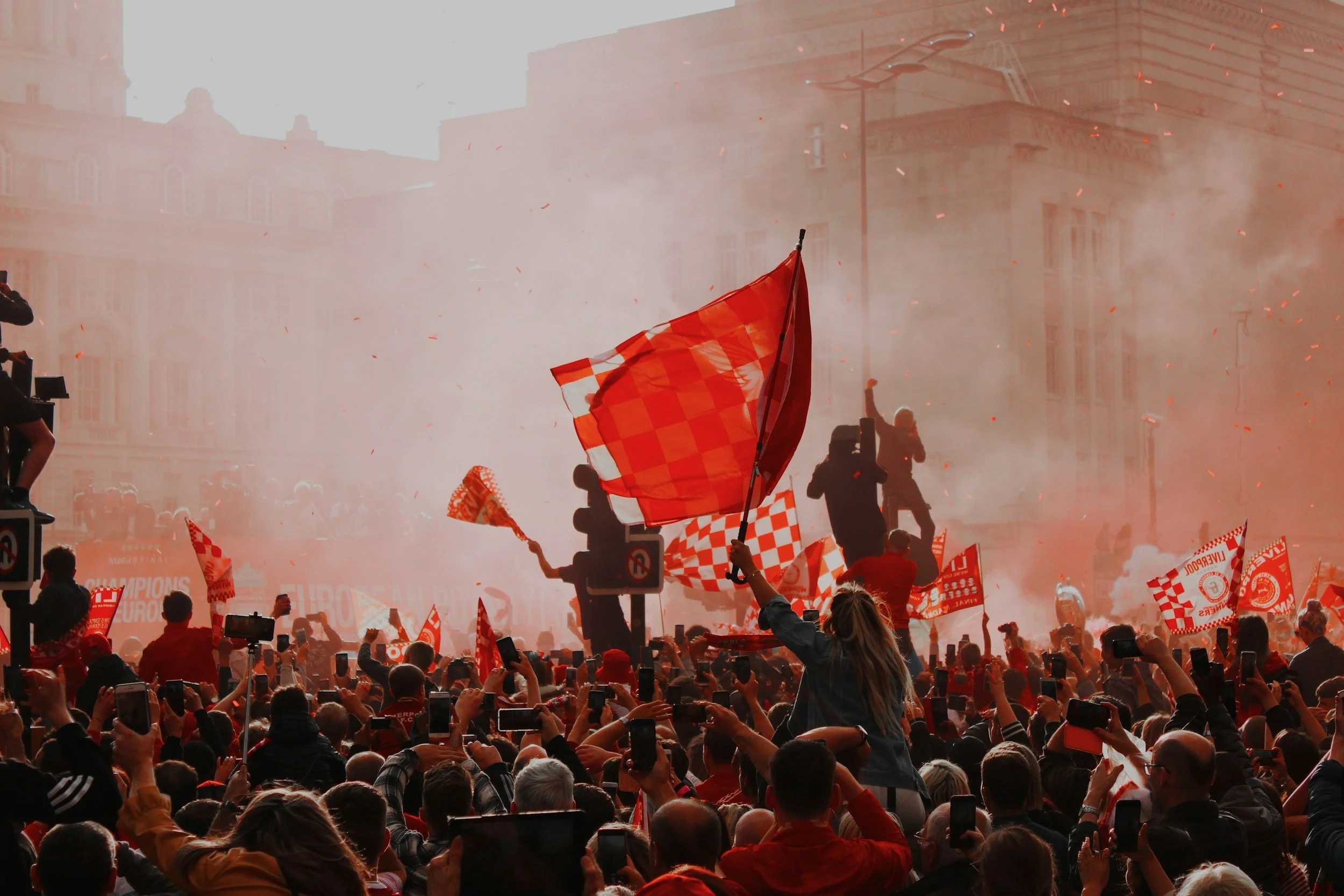
FEATURED RESEARCH: Football loyalty and conflict
Football has provided one of my longest-running testing grounds for identity fusion. Working with supporters across cultures, I have studied how shared defeat can strengthen bonds, why highly committed fans may become hostile towards rivals, and how those relationships are expressed in the body as well as in behaviour.
During the 2014 World Cup in Brazil, we measured supporters’ cortisol as they watched their national team play. The fans most strongly fused with Brazil showed the greatest physiological stress responses - revealing just how literally the fortunes of a group can get under our skin.
I have also examined the relationship between intense fan bonding, drugs and aggression. Research with British football supporters found that cocaine use was associated with greater reported aggression towards rival fans, particularly among those who were already strongly fused with their club and fellow supporters. This research was shared through Interpol’s Project Stadia network and multiple police forces. More recent research across British and US sports suggests a more complicated picture: drug cultures differ substantially between sports and countries, and simple claims that drugs cause crowd disorder run ahead of the evidence.



02 Transformation
When does an experience change who we are?
Some experiences lead to lasting changes in our identity; they write the story of who we are.
My research examines transformative experiences produced through shared adversity, ritual, and intense collective experience. In prisons, this means asking whether new group identities forged through sport can support positive identity formation and desistance. At festivals, raves, and in psychedelic research, it means tracing how unusual experiences can redraw the boundary between self and group - creating relationships and identities that persist long after the event itself.
RESEARCH WORLDS
Prisons · festivals · immersive experiences
MECHANISMS
Transformative experience · ritual · attachment · identity fusion · identification
KEY QUESTIONS
What makes some intense experiences transformative and others traumatic? How do intense shared experiences reshape identity and relationships? How can we best support transformation to positive identities?
FEATURED RESEARCH: The Twinning Project
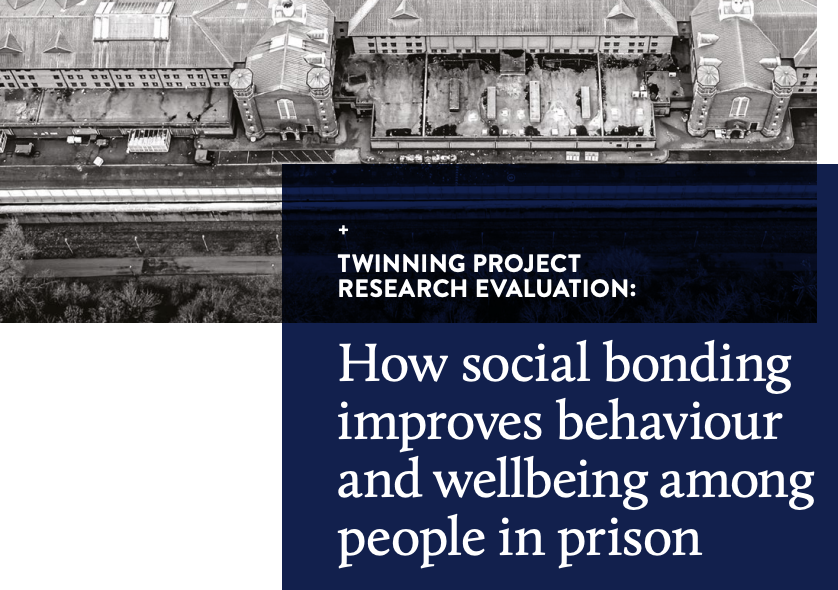
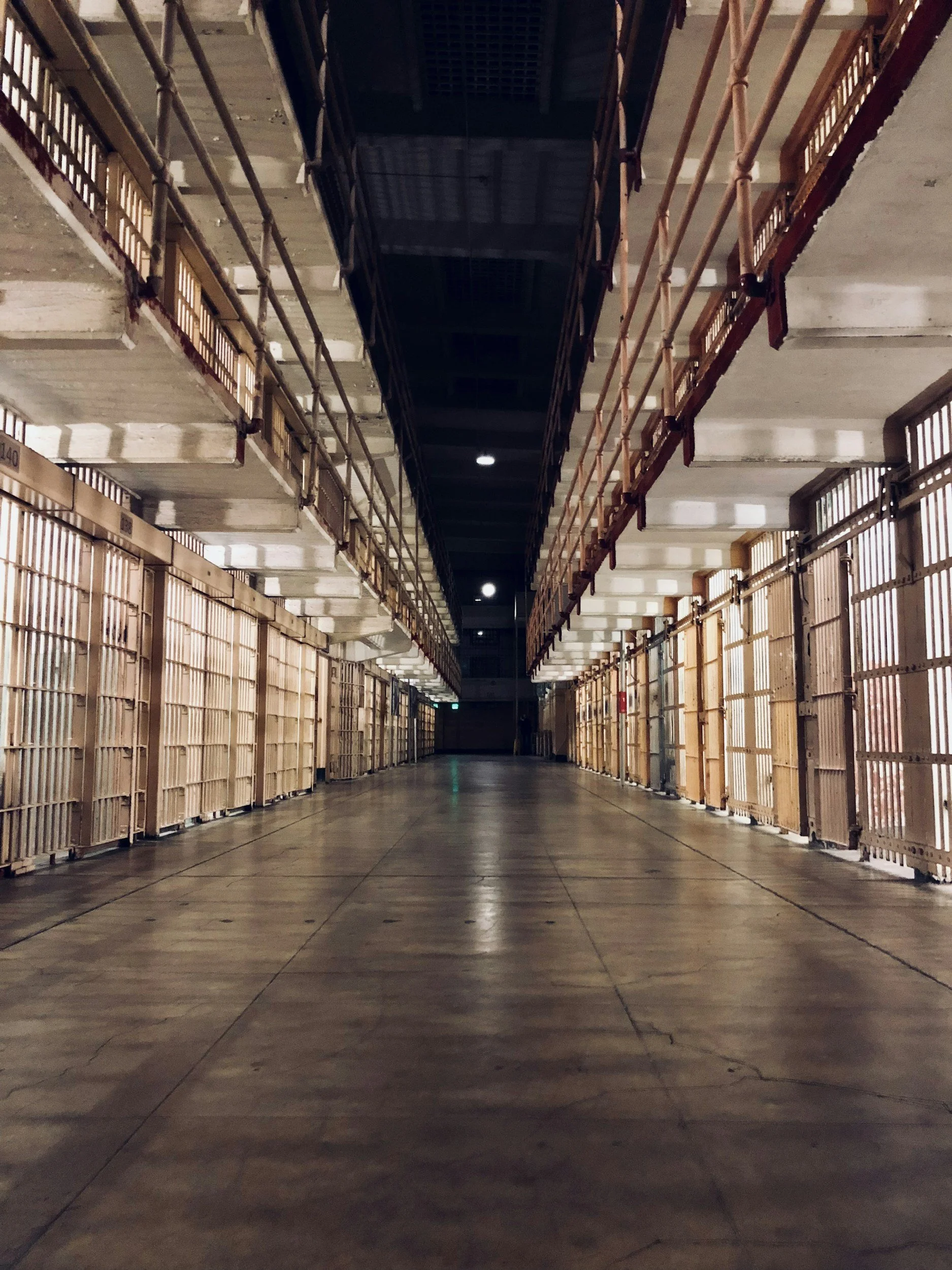
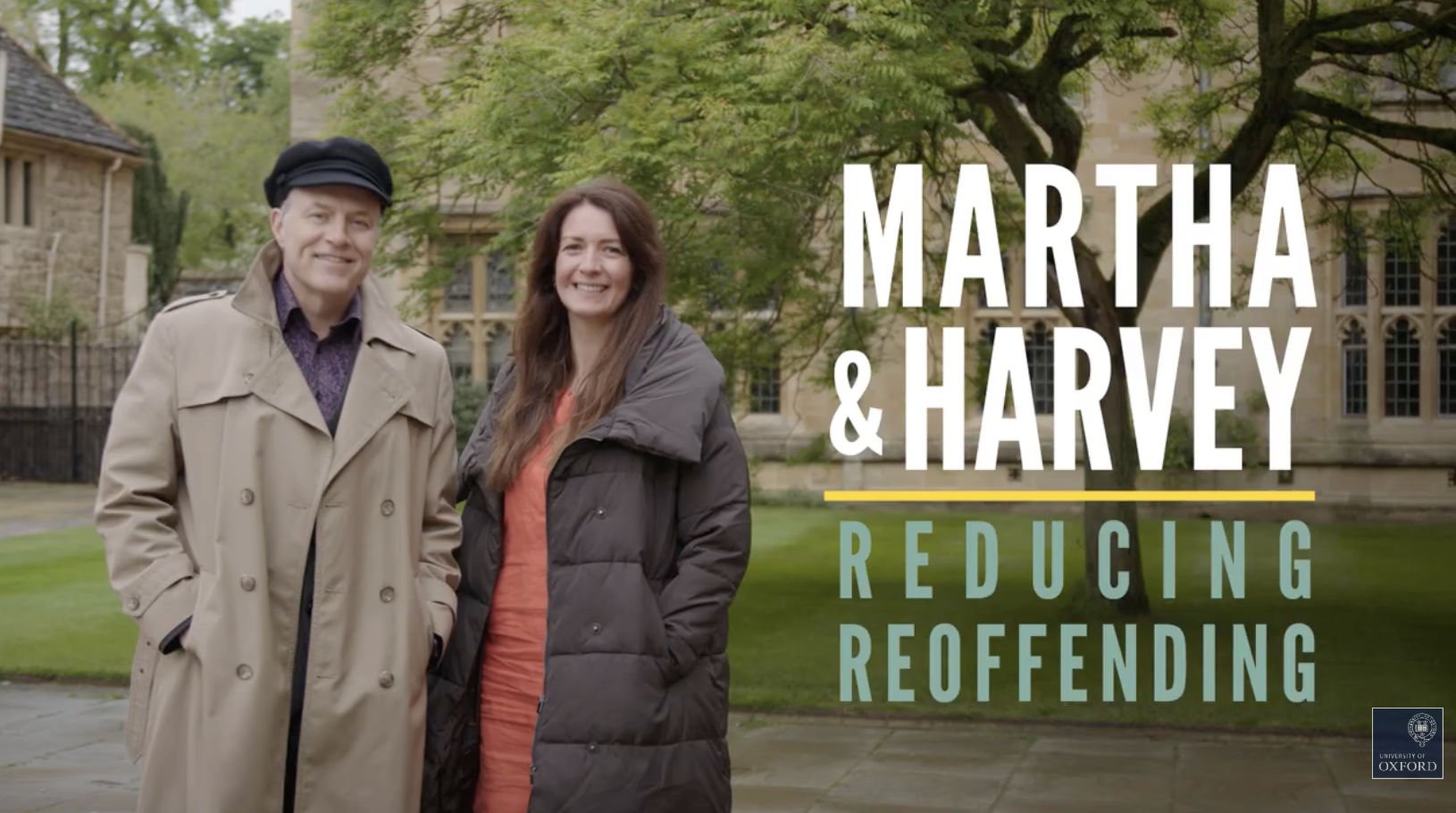
Through a long-term collaboration with The Twinning Project, my team studies one of the hardest tests of social transformation: whether new identities and relationships can support meaningful change among people in prison.
The Twinning Project pairs prisons with professional football clubs to provide coaching and accredited qualifications. Rather than asking only whether programmes like this work, we investigate how they work. Our research has found improved behaviour among participants compared with matched controls using large prison databases, alongside longitudinal survey evidence that social bonding and transformation are significant parts of that change. We’ve also shown that wellbeing improves for these individuals, and that the programme requires special attention for women in prison.
The programme is also intended to support the other side of reintegration. Our question is whether communities and employers can become more willing to accept people leaving prison; critical to this is their perception that a person has genuinely changed. Securing the associated reoffending data from our original cohort is currently underway.
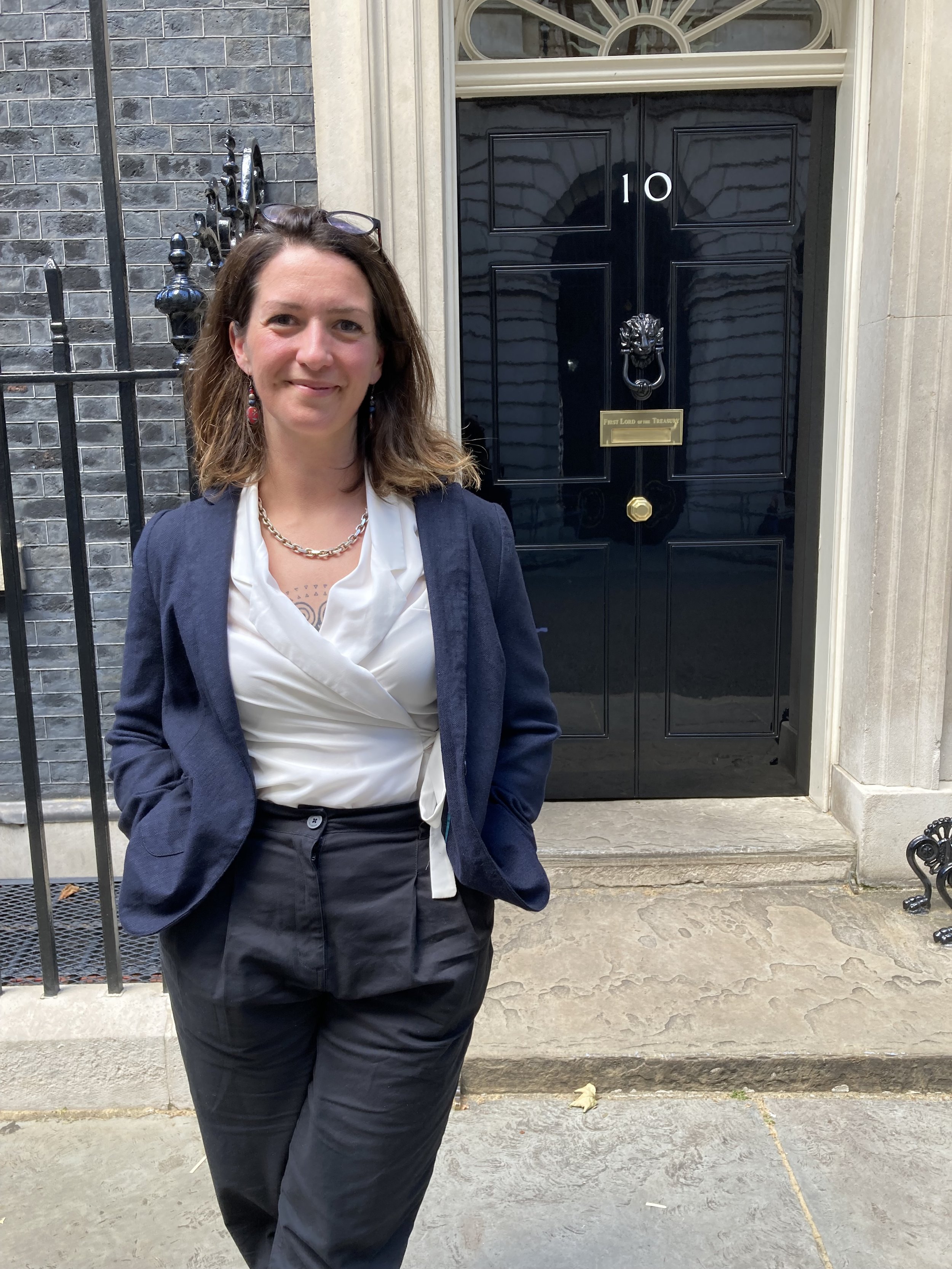
This research has led to invitations to speak at Number 10. We have also shared results with senior figures at the Premier League, FA, and the Minister for Justice.
03 Wellbeing
When does social connection become good for us?
Being around people is not enough. What matters is when contact becomes meaningful connection.
My work investigates how belonging and shared ritual shape psychological and physical wellbeing. This has included international research during the pandemic around the benefits of face-to-face contact, current work on British sauna culture, and research examining the social processes that may contribute to more effective psychedelic-assisted treatment for mental health issues.
RESEARCH WORLDS
Sauna · festivals · psychedelic-assisted therapies · pandemic
MECHANISMS
Social identity · ritual · emotional synchrony · social cure
KEY QUESTIONS
How does ritual influence our wellbeing? Why do some forms of connection protect our wellbeing more than others? In what ways does face to face contact give us stronger wellbeing effects than digital connection?
FEATURED RESEARCH: Sauna & ritual
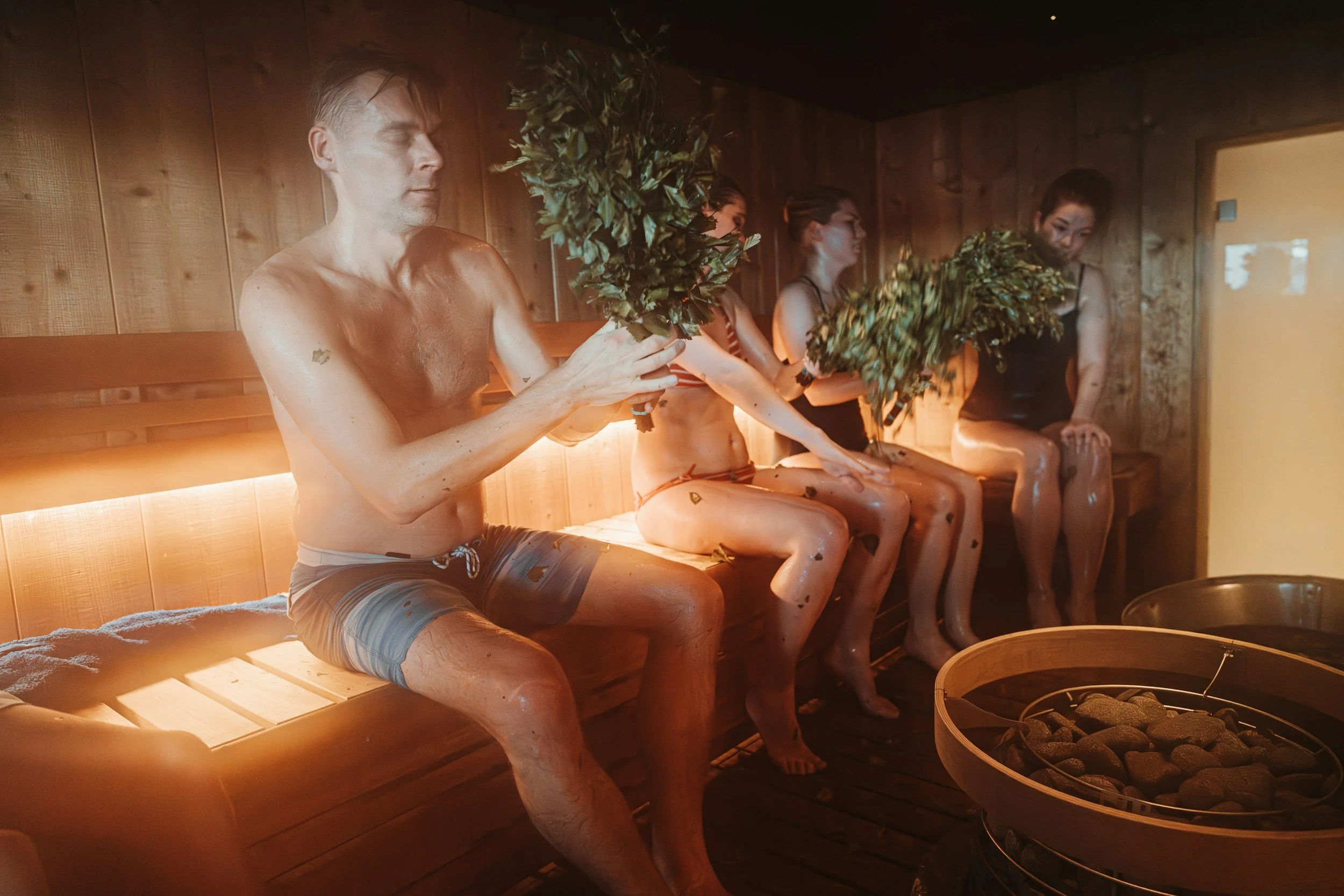
Working with the British Sauna Society and the UK sauna community, I‘ve been studying what happens when a seemingly individual wellbeing practice becomes a shared social ritual.
Our research examines communal sauna, asking how emotional synchrony, shared attention and connection with others relate to wellbeing. Rather than treating sauna purely as heat exposure, I’m interested in the social processes surrounding it: the repeated rituals, shared sensory experiencem and temporary communities that form inside the sauna.
This work forms part of a broader programme exploring how collective experiences can become psychologically restorative - and how belonging itself may contribute to health as part of a long-term interest in the social cure approach.




04 WILD Science
How can we best study human behaviour without stripping away the context that gives it meaning?
Psychology has long relied heavily on WEIRD populations: Western, Educated, Industrialised, Rich and Democratic (Henrich et al., 2010). In 2020, my colleagues and I reviewed research from six leading psychology journals and found that 92% of studies still came from European and English-speaking countries. We argued that making psychology more representative requires more than repeating the same studies in more countries.
We proposed a WILD approach: research that is Worldwide, In situ, Local and Diverse. This means studying people in a wider range of cultures (both within and between countries), but also studying behaviour where it naturally occurs; allowing local knowledge and culture to shape research questions and methods; and looking beyond the narrow populations traditionally used in psychological research (like the classic psychology undergraduate pool of participants). It draws on our anthropological backgrounds: getting close enough to real life to understand what matters before deciding how to measure it.
WILD underpins much of the way I work, from football crowds and prisons to saunas, festivals and altered states. The aim is not to replace controlled laboratory research, but to test whether our theories still hold when human behaviour is studied within its social, cultural and sensory context. The framework is also beginning to be taken up more widely, including recent work applying WILD principles to developmental psychology.
RESEARCH WORLDS
Crowds · festivals · rituals· culturally diverse populations ·exceptional and everyday experiences
PRINCIPLES
Worldwide · In situ · Local · Diverse · interdisciplinary
KEY QUESTIONS
Which psychological findings generalise beyond the populations in which they were first observed? How can anthropology and psychology work together to produce better theories of human behaviour?
FEATURED RESEARCH: The Observatory
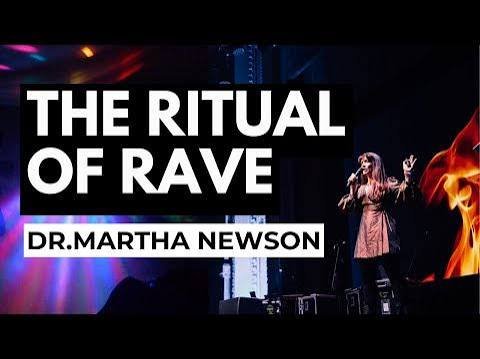
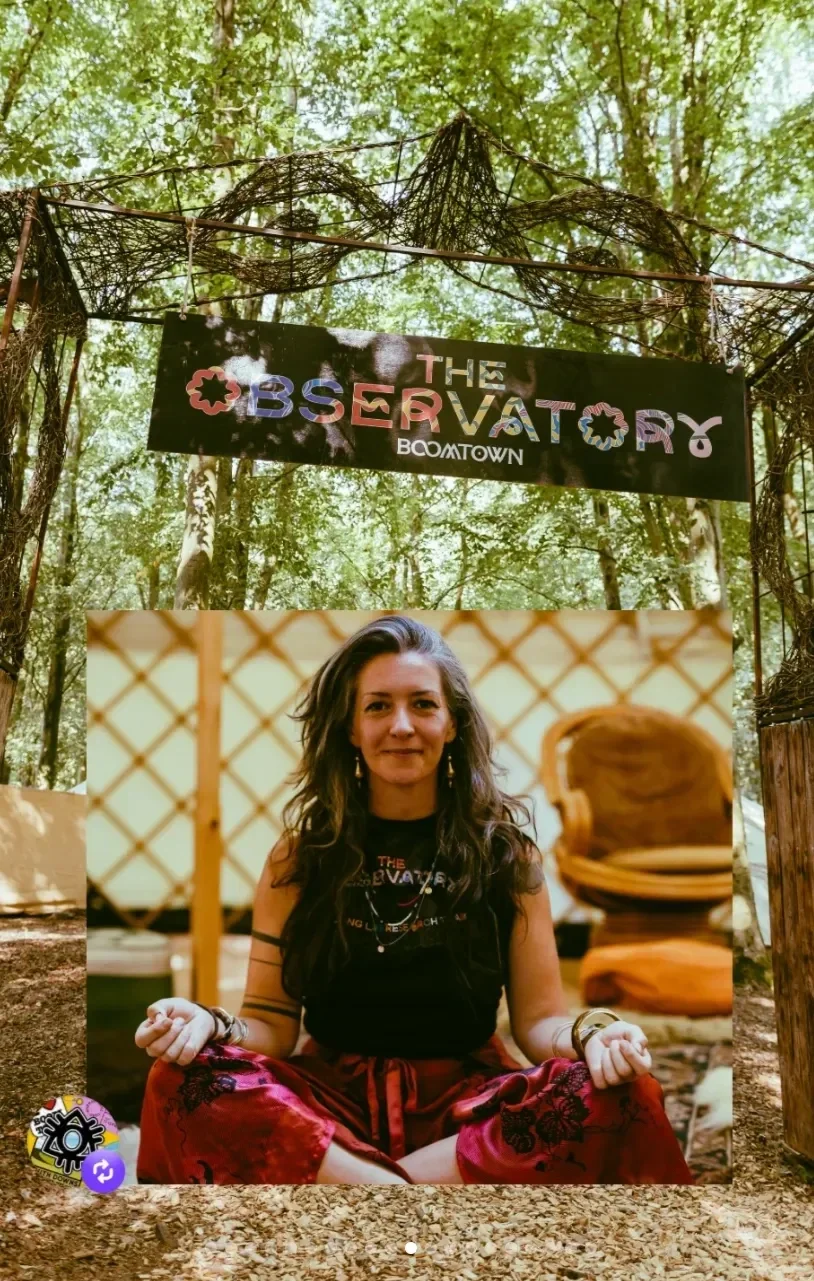
The Observatory is a WILD research platform embedded within a large-scale festival; Boomtown Fair, a festival of around 77,000 people. I co-designed it with the festival to study unusual social and transformative experiences while they are actually happening.
The project grew from field research at festivals in the UK and Germany and, in 2026, developed into a major academic research hub at Boomtown Fair, bringing together around 50 researchers across psychology, neuroscience and related disciplines. Rather than attempting to recreate a festival in a laboratory, we take the research into the environment itself.
Studies at The Observatory have examined awe, synchrony, transformative experience, neurodivergence, drug use, trust, collective behaviour and wellbeing. Methods range from longitudinal surveys and field experiments to physiological measures, including EEG. This allows us to examine experiences that are difficult to reproduce convincingly under conventional experimental conditions, while still testing clear hypotheses. We encourage open science best practices, including pre-registration where appropriate.
The Observatory is both a research programme and an experiment in how we do research. It puts the WILD framework into practice: studying people in situ, working locally with researchers and communities who understand the environment, combining disciplines and methods, and recruiting participants far beyond the traditional psychology subject pool.

Academic impact
From evidence to public debate, policy, and practice
I work closely with policymakers, practitioners, charities and organisations to make sure research is tested in real settings and reaches the people who can use it. Findings from my work on prison reform, sport and social bonding have been presented at 10 Downing Street and shared with senior figures across the Ministry of Justice, Premier League and Football Association. My research on sport, identity and violence has also contributed to wider policy and public debate, including invitations to All-Party Parliamentary Group sessions, evidence for parliamentary Select Committees, citation in United Nations policy guidance, and extensive media coverage.
Much of this impact comes through long-term collaboration rather than one-off dissemination. My prison research is conducted with the Ministry of Justice, His Majesty’s Prison and Probation Service, The Twinning Project and professional football clubs, allowing academic questions about identity, transformation and belonging to be examined alongside practical questions about behaviour, rehabilitation and reintegration.
I also contribute regularly to public discussion through talks, media and expert commentary on loyalty, group behaviour, conflict, wellbeing and transformative experiences. For organisations, charities and public-sector partners looking to apply this research directly, Martha Newson Studio brings this science into applied research design, interpretation, expert insight, workshops, and executive coaching.
